Why Ambon city deserves more than a transit night
Most Maluku itineraries treat Ambon as an airport-and-out transit. The city deserves better. It is the cultural heart of Maluku — the Pattimura legacy, the Christian-Muslim community blend, the Ambonese musical tradition (the Maluku Quartet), and a remarkably preserved colonial-era street grid. A half-day walking tour gives you the context that makes the rest of the archipelago make sense. We allocate Day 1 of our 12-day voyage to this walk.
The route — start at the cathedral
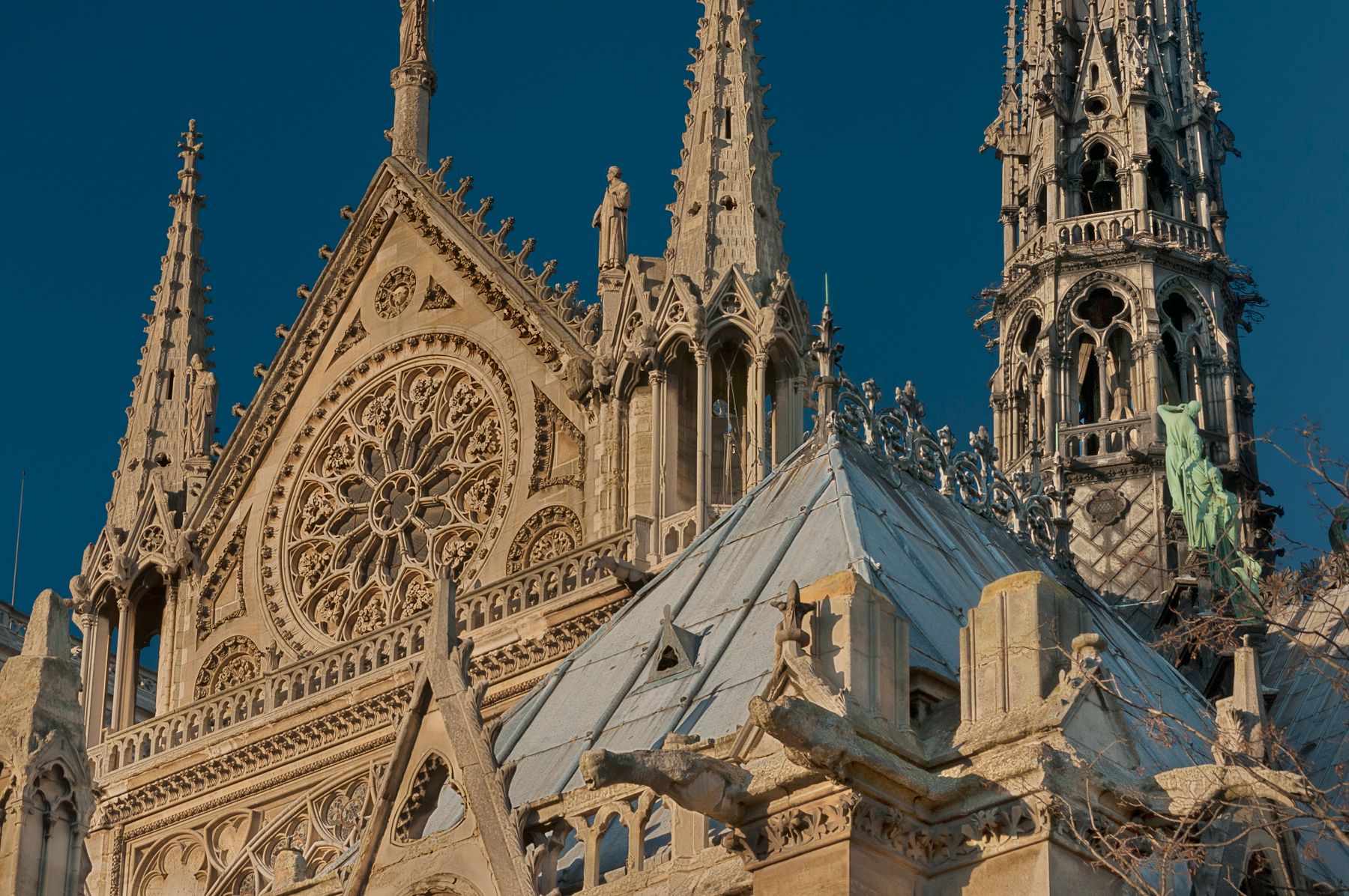
Begin at Sint Franciscus Cathedral (built 1860, restored 2003 after the conflict). It is one of the few Catholic cathedrals in Indonesia and the oldest active church in eastern Indonesia. Sunday mass is in Indonesian and Dutch. The interior wood altar dates to the 1860s and survived both World War II and the 1999-2003 sectarian conflict. From the cathedral, walk south two blocks to the city square.
Pattimura statue and the city square
Pattimura’s statue stands in the city square overlooking the harbor. Pattimura — the rebel name of Thomas Matulessy — led the 1817 Saparua rebellion against the Dutch. He was captured and executed in this square. The statue dates to 1968 and was restored in 2018. The plaza around the statue hosts evening food vendors (5pm onwards) and is the place to try Ambonese street food — papeda with fish soup is the local signature.
Pasar Mardika — the traditional market
Pasar Mardika is Ambon’s main traditional market, two blocks east of the cathedral. Open 5am-11am for the freshest fish (yellowfin tuna, mahi mahi, and reef fish from the morning catch), spices (Banda nutmeg, cloves, cardamom from Halmahera), and produce. The atmosphere is louder, less tourist-friendly, and more authentic than the Bali market experience. We do not recommend the market alone for first-time Indonesia visitors — it is intense.
Pasifika Hotel — colonial mansion stop
The Pasifika Hotel on Jalan Sultan Hairun was built in 1920 as a Dutch shipping merchant’s mansion. It is now a 12-room boutique hotel and a useful place to stop for coffee and air-conditioning. The lobby retains the original tile floor and teak staircase. The on-site restaurant serves the best Indonesian-Dutch fusion in the city.
World War II Pacific memorials
Ambon was occupied by Japanese forces 1942-1945. The Ambon War Cemetery (Pulau Ambon Perang) on the north shore commemorates the Allied prisoners of war who died at the Tantui POW camp. The cemetery is well-maintained by the Commonwealth War Graves Commission. Visit takes 30 minutes by taxi from the city. Worth the detour for WWII history travelers.
Practical city tips
Walk in the morning (8am-11am) — afternoon heat is brutal. Wear modest dress (knees and shoulders covered) for cathedral and market. Bring small rupiah for street food. Use Grab or Gojek apps for taxis — far more reliable than street taxis. The tourist information office at Pattimura Airport can provide a city map.