Updated: July 2026
How to Choose a Luxury Dive Operator in Ambon Maluku
- Prioritize operators with elite certifications like PADI 5-Star or SSI Diamond ratings, which mandate stringent safety and quality standards.
- Insist on a low guide-to-guest ratio, ideally 4:1 or better, to ensure personalized attention and safety.
- Confirm the operator’s deep specialization in Ambon’s unique muck and macro diving environments.
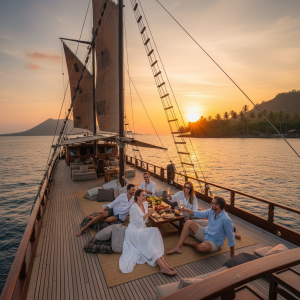
The air, thick with the scent of clove and nutmeg, hangs over the water. From the deck of a hand-built phinisi schooner, the volcanic silhouette of Ambon island cuts a dramatic figure against the dawn sky. Below the placid surface of the bay, an entirely different world awaits—a realm of bizarre and beautiful creatures that has designated this corner of the Maluku Islands a global epicenter for marine biodiversity. This is not a passive vacation; it is an active pursuit of the extraordinary. The single most important decision you will make in this pursuit is not which site to dive, but who will take you there. Choosing your dive operator in Ambon, Indonesia, is the defining factor between a simple trip and a masterfully curated expedition.
Beyond the Brochure: Scrutinizing Safety Protocols and Certifications
In the world of high-end adventure travel, luxury is synonymous with peace of mind, which is built upon a foundation of uncompromising safety. Any glossy brochure can promise adventure, but discerning travelers must look for tangible proof of an operator’s commitment to safety. The first layer of due diligence involves certifications. Look for operators designated as a PADI 5-Star Instructor Development Center or an SSI Diamond Dive Center. These are not mere participation trophies; they are the result of rigorous, ongoing audits that scrutinize everything from equipment maintenance schedules to instructor qualifications and emergency action plans. PADI, for instance, has certified over 29 million divers, and its higher-tier ratings are reserved for operations that meet exceptional standards in training and safety. Ask a potential operator for their credentials. A confident, professional outfit will provide them without hesitation. Beyond certifications, inquire about their specific emergency protocols. A top-tier operator will have comprehensive first-aid kits, DAN (Divers Alert Network) oxygen units, and ideally, an automated external defibrillator (AED) on board every vessel. Crucially, they must have a clear, tested evacuation plan. Given that the nearest major recompression chamber is in Manado, over 600 kilometers away, their immediate response capability is paramount. Remote-diving medicine guidance is consistent on this point: the first 30 minutes after an incident matter more than the chamber’s flight time. An operator’s proficiency in administering emergency oxygen and coordinating with medical services is the true measure of its safety program.
The Vessel as Your Sanctuary: Evaluating Liveaboard and Resort Quality
The platform from which you explore Ambon’s underwater world is as important as the diving itself. For many, the quintessential Malukan experience is found aboard a liveaboard, and here, the distinction in quality is vast. The choice often lies between a traditional Indonesian phinisi and a modern motor yacht. A custom-built 50-meter phinisi, crafted from ironwood and teak, can cost upwards of $3 million and represents a floating boutique hotel. When evaluating a vessel, move past the wide-angle deck shots and focus on the details. Are the cabins en-suite with climate control and adequate storage? Is there a dedicated, climate-controlled camera room with multiple charging stations and rinse tanks? This feature is non-negotiable for serious underwater photographers. Another critical amenity is the availability of Enriched Air Nitrox. Using a standard 32% nitrox blend can increase no-decompression limits by as much as 50% on a typical 18-meter (60-foot) dive, allowing for substantially more time with the rare critters you’ve traveled so far to see. For those who prefer a land-based experience, the same scrutiny applies. Many of the finest dive experiences in Ambon & Maluku are connected to exclusive resorts. Investigate whether the dive center is fully integrated into the resort’s luxury ecosystem or a separate, third-party entity. A truly integrated operation ensures seamless service, from the quality of the rental equipment to the post-dive cocktails served at the villa.
The Human Element: Guide-to-Guest Ratios and Local Expertise
You can have the finest vessel and the best equipment, but the experience is ultimately shaped by the human element: your guide. This is where luxury operators truly distinguish themselves. The industry standard guide-to-guest ratio can be as high as 6:1 or even 8:1. A premium operator will never exceed a 4:1 ratio, and many offer private guiding as a standard option for discerning guests or photographers. This smaller group size is not just about personalized attention; it significantly reduces the environmental impact on the delicate muck diving sites. More importantly, it allows the guide to focus on finding the cryptic creatures that make Ambon famous. The most valuable guides are not transient instructors but local Ambonese divemasters who have spent a decade or more exploring these specific waters. They possess an almost supernatural ability to spot a hairy frogfish the size of a thumbnail or a pygmy seahorse camouflaged on a gorgonian fan. The institutional knowledge of a local guide is irreplaceable: tidal flows, lunar cycles and the seasonal behaviour of endemic species are learned on the water rather than from a textbook. That expertise transforms a dive from a random search into a curated discovery of species like the psychedelic frogfish (Histiophryne psychedelica), first formally described only in 2009 and a holy grail for muck-diving aficionados.
Itinerary Intelligence: Muck, Macro, and Beyond Ambon Bay
Ambon’s reputation is built on the black volcanic sands of Ambon Bay, a 22-kilometer-long inlet that serves as a nursery for some of the planet’s most unusual marine life. A proficient operator must demonstrate mastery of iconic muck sites like Laha, Twilight Zone, and Air Manis. Their dive briefings should be detailed, outlining not just the dive plan but the specific creatures they expect to find based on recent sightings and conditions. However, a truly elite operator understands that Ambon is more than just its bay. They will offer itineraries that showcase the region’s full diversity. This includes trips to the south coast of Ambon, where the volcanic sand gives way to pristine coral walls, sea fans, and the chance of encountering larger pelagic species. The pinnacle of luxury is customization. Can the operator craft a bespoke itinerary for a group of macro photographers who want to spend three hours on a single 100-square-meter patch of sand? Can they arrange a village visit or a spice plantation tour for a family that wants to blend diving with cultural immersion? According to the Indonesian Ministry of Tourism’s official portal, indonesia.travel, the cultural heritage of the Spice Islands is as rich as its marine life. A superior operator integrates this context into their voyages, understanding that the journey is about the entire destination. This level of bespoke planning is a hallmark of true luxury travel in Indonesia’s Spice Archipelago, transforming a dive holiday into a comprehensive exploration.
The Price of Exclusivity: Deconstructing the Cost
A luxury diving expedition in Ambon represents a significant investment, and it is essential to understand the value embedded in the price. A 10-night charter on a high-end liveaboard in this region can range from $6,000 to over $10,000 per person. While initially jarring, a line-by-line analysis reveals the comprehensive nature of such a package. This price typically includes a private, air-conditioned cabin with an en-suite bathroom, all meals prepared by a professional chef, non-alcoholic beverages, an average of four guided dives per day, Nitrox fills, all port and park fees, and often, high-quality rental equipment. When you deconstruct the cost of a comparable land-based vacation—factoring in a luxury hotel, three daily à la carte meals, four daily dives, equipment rental, and daily transfers—the all-inclusive liveaboard model often presents superior value and convenience. The higher price point directly correlates with the factors that define a luxury experience: a 1:1 or 2:1 crew-to-guest ratio ensuring impeccable service, the aforementioned low diver-to-guide ratio, the quality and freshness of the cuisine, and the maintenance and safety standards of the vessel. When you choose a dive operator in Ambon, you are not merely purchasing a series of dives; you are investing in a seamless, safe, and exclusive experience designed to eliminate all logistical friction, allowing you to immerse yourself completely in one of the world’s most extraordinary underwater environments.
Quick FAQ on Selecting Your Ambon Dive Partner
What is the best time of year to dive in Ambon?
The prime diving season generally runs from October to May. During these months, the seas are calmest, and visibility can often exceed 25 meters, especially on the south coast. The monsoon season, from roughly June to September, can bring surface chop, but the protected nature of Ambon Bay means muck diving is still excellent year-round.
Is Nitrox essential for diving in Ambon?
While not mandatory, it is highly recommended for any serious diver or photographer. Many of Ambon’s premier muck sites are relatively shallow, between 10 and 20 meters. Using Enriched Air Nitrox (typically EANx32) significantly extends your no-decompression limits, allowing for longer, more immersive dives, which is crucial when searching for rare critters.
Do I need to be an advanced diver to enjoy Ambon?
No, but it helps. The majority of the world-class muck diving is accessible to Open Water divers, as countless subjects are found in less than 15 meters of water. However, an Advanced Open Water certification provides greater flexibility, allows access to the slightly deeper coral reef sites, and generally increases diver confidence and comfort in the water.
How does Ambon compare to other Indonesian dive destinations like Raja Ampat?
They are two jewels in Indonesia’s crown, offering distinctly different experiences. Ambon is the undisputed global capital of muck and macro diving, celebrated for its rare, cryptic critters. Raja Ampat, whose biodiversity is recognized as globally significant by organizations like UNESCO, is famed for its vast, vibrant coral reefs and wide-angle seascapes teeming with fish. One is an intimate treasure hunt; the other is a grand spectacle.
Your journey into the underwater realm of Ambon, Indonesia, is far more than a sequence of dives; it is a meticulously curated exploration of one of the planet’s most singular marine ecosystems. The right operator does not simply show you the destination; they reveal its secrets, manage its complexities, and ensure your safety and comfort at every turn. They are the key that unlocks the profound magic of the Spice Islands. For a personal consultation on crafting your own bespoke Malukan voyage, we invite you to explore the possibilities with the Maluku Voyages Collective.